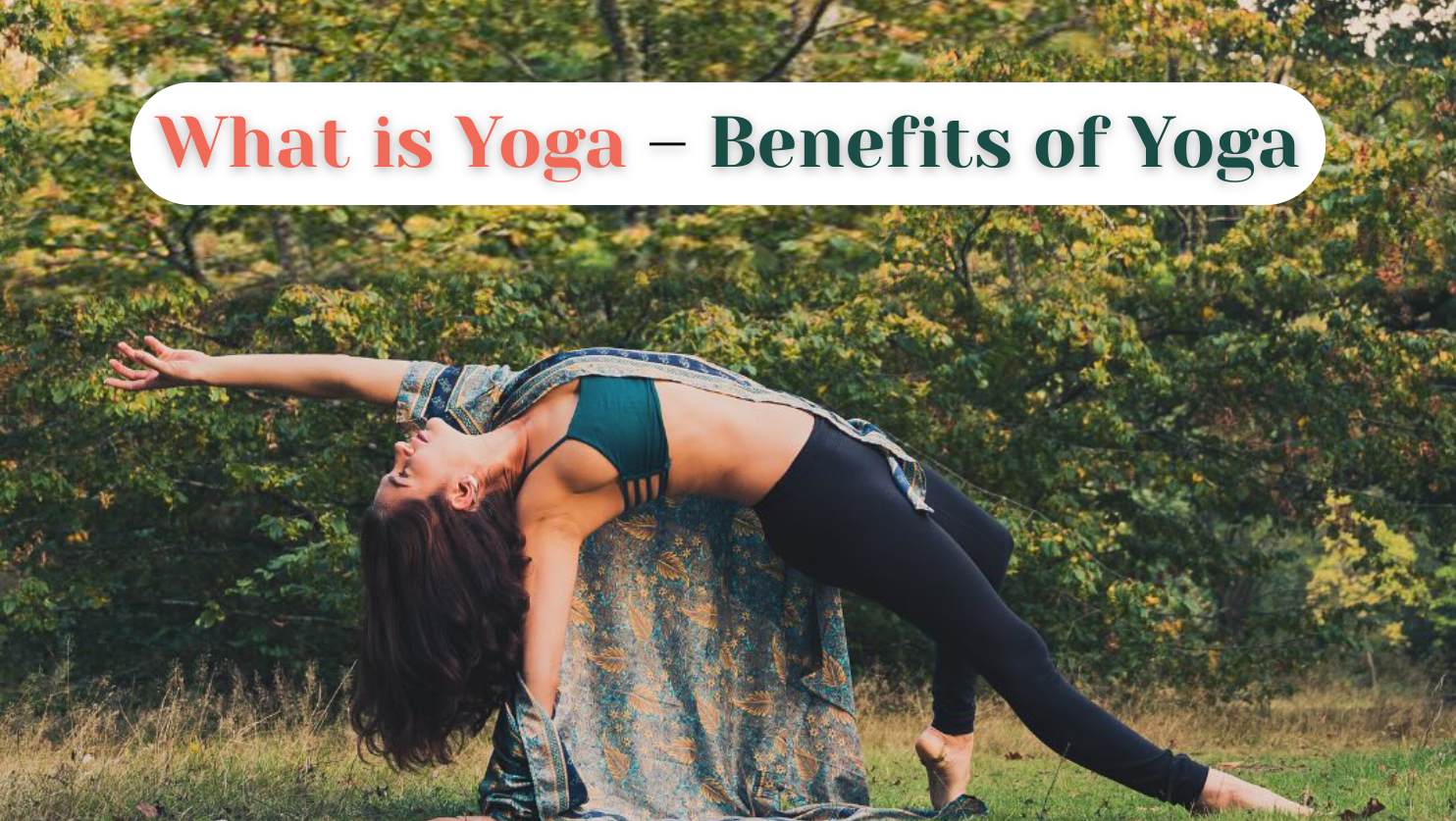
Yoga is an ancient empirical science—a systematic discipline for harmonizing body, mind, and consciousness that transcends dogma and superstition. Derived from the Sanskrit root Yuj, meaning “to yoke” or “to unite,” yoga signifies the union of individual awareness with universal consciousness. In Patanjali’s classical definition, “Yogas chitta vritti nirodha”—yoga is the stilling of the fluctuations of the mind.
While many in the modern world view yoga primarily as physical exercise or contortion, physical postures (asanas) represent only the outer gateway of a comprehensive spiritual science. True yoga integrates the physical body, nervous system, emotions, and intellect into unified awareness.
At Om Setu Yogashala in Rishikesh, we honor yoga as a profound living heritage that nurtures physical health, clarifies the intellect, and guides the sincere seeker toward self-realization. In the tradition of Maharishi Patanjali, one begins with the physical body: steady the body through asana, and the nervous system settles; steady the breath through pranayama, and the mind becomes still and receptive to higher wisdom.

During our holistic Ayurveda Retreat in Rishikesh, students learn how yoga and Ayurveda work together as sister sciences. The first five foundational limbs of Ashtanga Yoga prepare the body and senses, creating a sturdy vessel before the practitioner explores the subtler internal realms of meditation and spiritual realization.
In our comprehensive 200-Hour Yoga Teacher Training in Rishikesh, yoga is taught not merely as a fitness routine, but as a path to inner freedom. Trainees learn how classical Hatha and Ashtanga Vinyasa build mental resilience, emotional balance, and unwavering focus to overcome common obstacles in yoga sadhana that carry into daily life.

The Three Dimensions of Yogic Transformation
A sincere practitioner experiences transformation across three distinct stages:
- The Physical Dimension (Sharira): Improved flexibility, structural alignment, increased stamina, and the relief of chronic bodily tension. The body becomes a comfortable, disease-free vehicle for living.
- The Psychological Dimension (Manas & Buddhi): Reduced anxiety, enhanced emotional stability, and the cultivation of steady concentration. The mind shifts from reactive patterns to intentional presence.
- The Spiritual Dimension (Atman): Reconnecting with one’s true nature beyond worldly anxieties, attachments, and ego-identifications, leading toward enduring inner peace (Shanti).
The Four Classical Paths of Yoga
1. Karma Yoga (The Path of Selfless Action)
Karma Yoga is the path of selfless duty and service (seva) performed without attachment to personal reward. As taught in the Bhagavad Gita, by performing actions with pure intention and offering the fruits to the divine, the mind is purified of selfish desires and inner friction.

2. Bhakti Yoga (The Path of Devotion)
Bhakti Yoga channels human emotions into pure spiritual love and devotion. Through prayer, kirtan (sacred chanting), and surrendering the ego, the practitioner dissolves feelings of separation and experiences deep connection with universal consciousness.
3. Jnana Yoga (The Path of Wisdom & Inquiry)
Jnana Yoga is the intellectual and analytical path of discernment (viveka). Through self-inquiry (*”Who am I?”*), the study of sacred scriptures (swadhyaya), and deep contemplation, the seeker discerns between the transient material world and the eternal, unchanging Self.

4. Raja Yoga (The Royal Path of Meditation)
Also known as classical Ashtanga Yoga codified by Maharishi Patanjali, Raja Yoga is the scientific, eight-limbed discipline for training and stilling the mind. Its eight limbs unfold systematically:
- Yama: Ethical restraints (non-violence, truthfulness, non-stealing, moderation, non-possessiveness).
- Niyama: Personal observances (cleanliness, contentment, austerity, self-study, surrender to the divine).
- Asana: Physical postures for bodily health and spinal stability.
- Pranayama: Regulation of vital breath and life energy.
- Pratyahara: Conscious withdrawal of the senses from external distractions.
- Dharana: Focused, unwavering concentration on a single object or breath.
- Dhyana: Continuous, uninterrupted meditative absorption.
- Samadhi: The ultimate state of union, bliss, and supreme spiritual liberation.
Key Health & Wellbeing Benefits of Yoga
- Reduces Chronic Stress: Lowers circulating stress hormones like cortisol and activates the parasympathetic relaxation response.
- Enhances Joint Mobility & Muscular Strength: Corrects postural misalignments from sedentary lifestyles and improves spine health.
- Boosts Circulation & Immunity: Dynamic movement and breathwork oxygenate internal organs, supporting lymphatic drainage and metabolic efficiency.
- Improves Mental Focus: Strengthens cognitive clarity, memory retention, and emotional balance.
- Encourages Mindful Living: Helps cultivate healthier daily habits, wholesome nutrition, and a peaceful worldview.
Continue Reading: Explore our comprehensive guide on What Is Meditation & Its Benefits or experience authentic yogic living in our Yoga Retreat in Rishikesh.
Disclaimer: This article is intended for educational purposes and is not a substitute for professional medical advice. Always consult a healthcare provider before beginning any new physical practice.
Deepen Your Practice by the Holy Ganga
Whether you are seeking physical healing, emotional calm, or an internationally recognized teaching certification, Om Setu Yogashala hosts immersive programs led by traditional Himalayan masters.